Understanding LRV: Why Paint Colors Look Different in Every Room
Choosing a paint color is rarely as simple as finding a swatch you like. The same color can look bright and airy in one room, darker and moodier in another, and completely different once the sun goes down. One of the most useful tools for understanding why is LRV, or Light Reflectance Value.
❓What is LRV?
LRV stands for Light Reflectance Value. It measures how much visible light a surface reflects on a scale from 0 to 100. A color with an LRV of 0 would absorb essentially all visible light and appear black, while an LRV approaching 100 reflects a very high percentage of visible light. Most actual paint colors fall somewhere between those extremes.
In practical terms: Lower LRV = less reflected light and a darker appearance. Higher LRV = more reflected light and a lighter appearance.
💡Why LRV Matters in Your Home
Paint doesn’t create light - it interacts with the light that’s already there. A room with large windows and plenty of natural light can often support a lower-LRV color without feeling particularly dark. Put that exact same color in a north-facing hallway with few windows, however, and it may look dramatically deeper.
Higher-LRV colors reflect more of the available light back into a space, which can help a room feel brighter. Lower-LRV colors absorb more of it, creating greater depth and often a cozier or more dramatic feeling. Neither is inherently better, it depends on the room and the effect you’re trying to create.
🌈 LRV Doesn’t Tell You What a Color Will Look Like
This is an important distinction. Two colors can have exactly the same LRV and still look completely different. LRV tells you how much light a color reflects - not which color it will appear to be. Undertones, surrounding finishes, the direction of natural light, artificial lighting and even neighboring colors all influence what your eye ultimately sees.
Natural Light Changes Everything
🧭 The direction a room faces can have a significant effect on paint.
⬆️ North-facing rooms generally receive cooler, more indirect light, which can emphasize blue, gray and green undertones.
⬇️ South-facing rooms tend to receive abundant warmer light throughout much of the day, which can make colors appear lighter and warmer.
➡️ East-facing rooms receive stronger morning light and become cooler later in the day.
⬅️ West-facing rooms often experience the opposite, with softer light in the morning and warmer, more intense light toward evening.
This is why a paint color you loved in someone else’s house, or even in another room of your own house, may not behave the same way in your new space. The best way to get a sense of how a paint color will actually look is to test it in the room where it will be used.
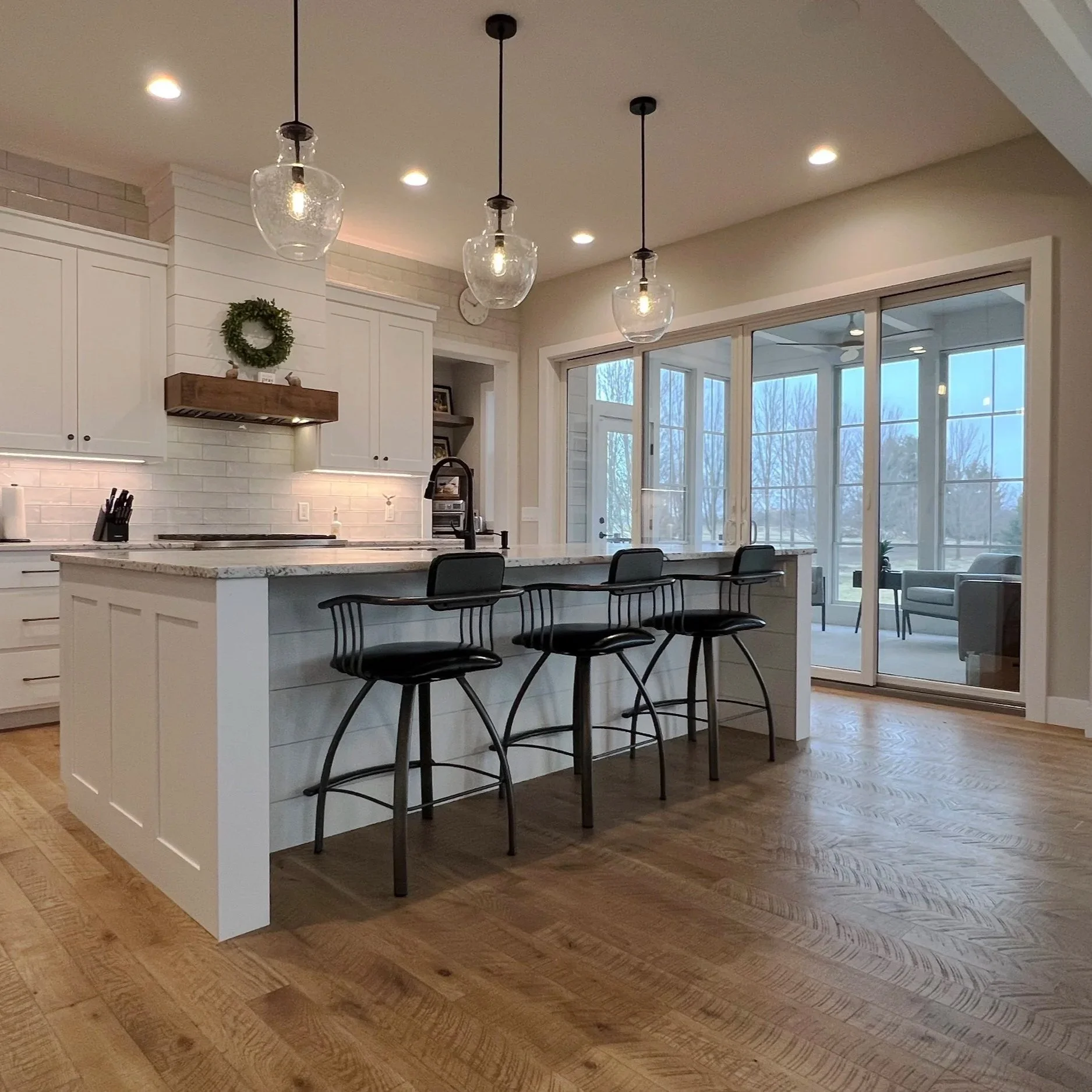
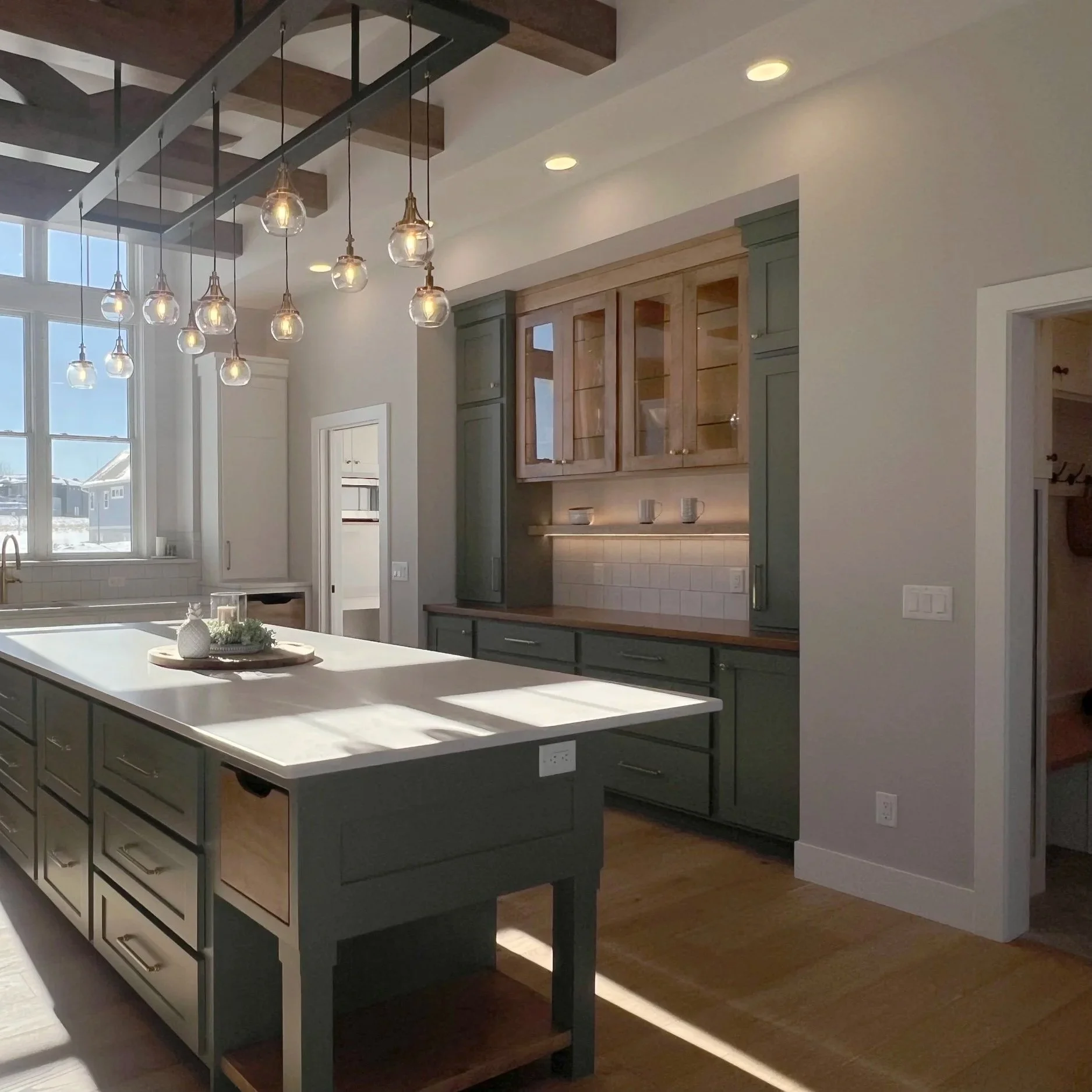
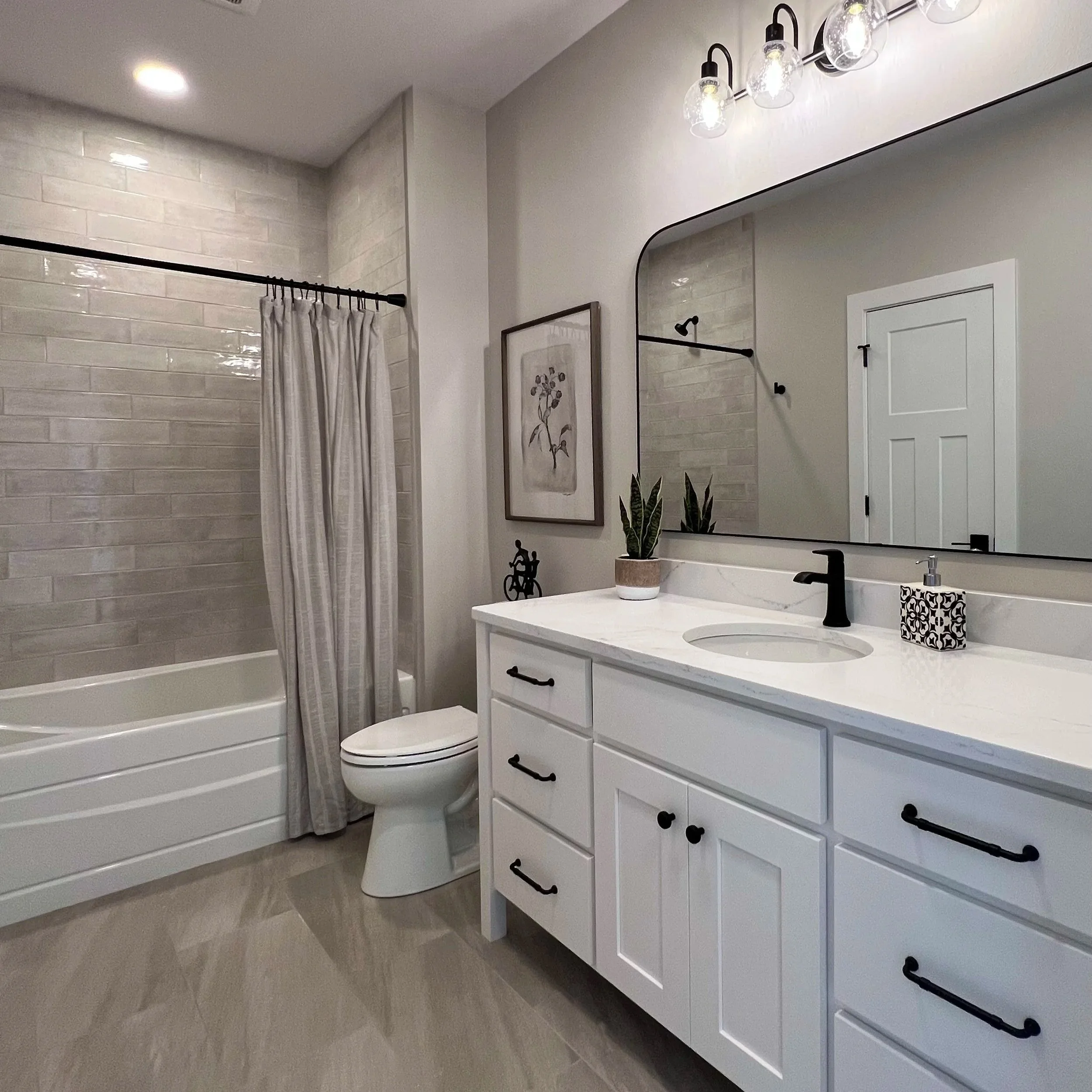
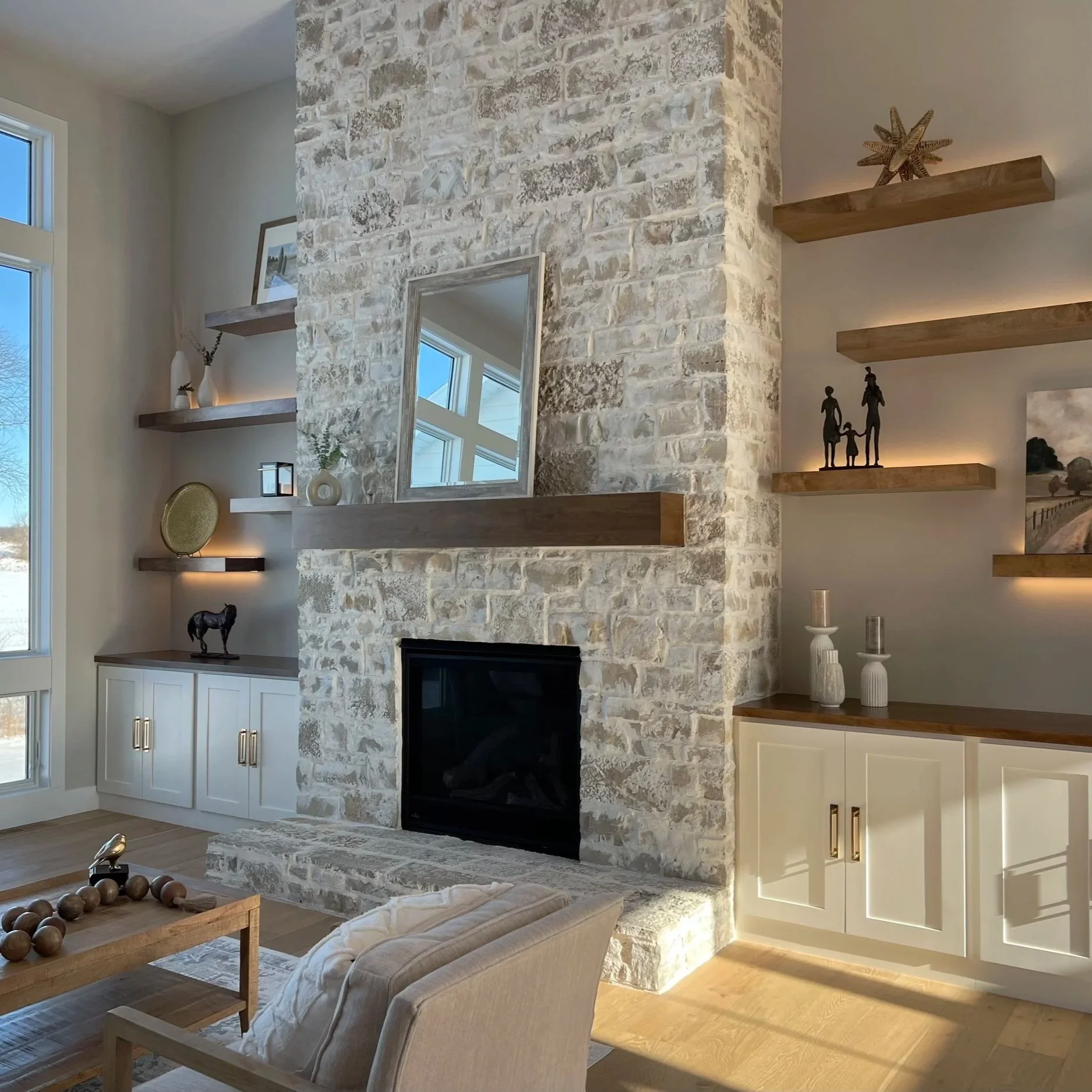
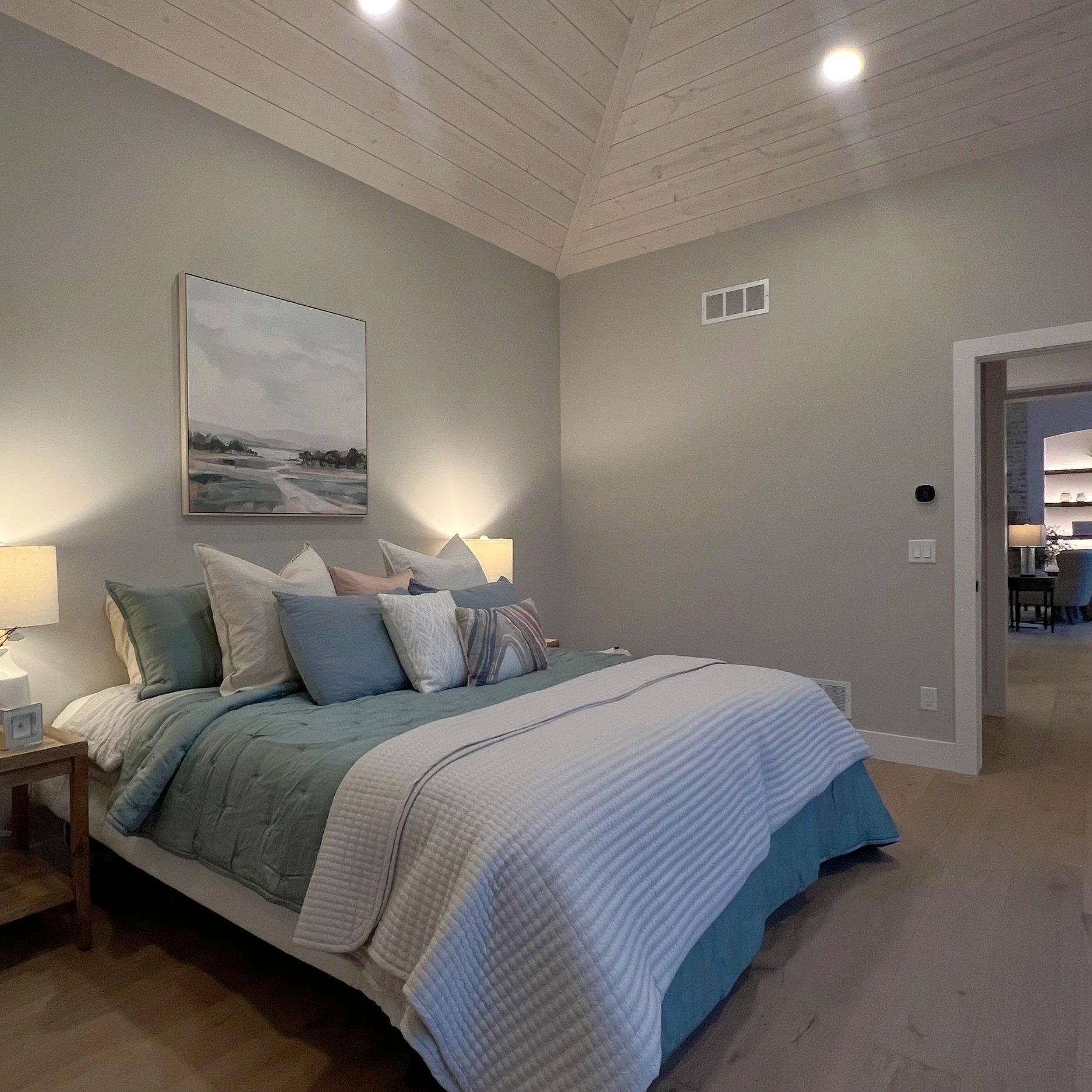
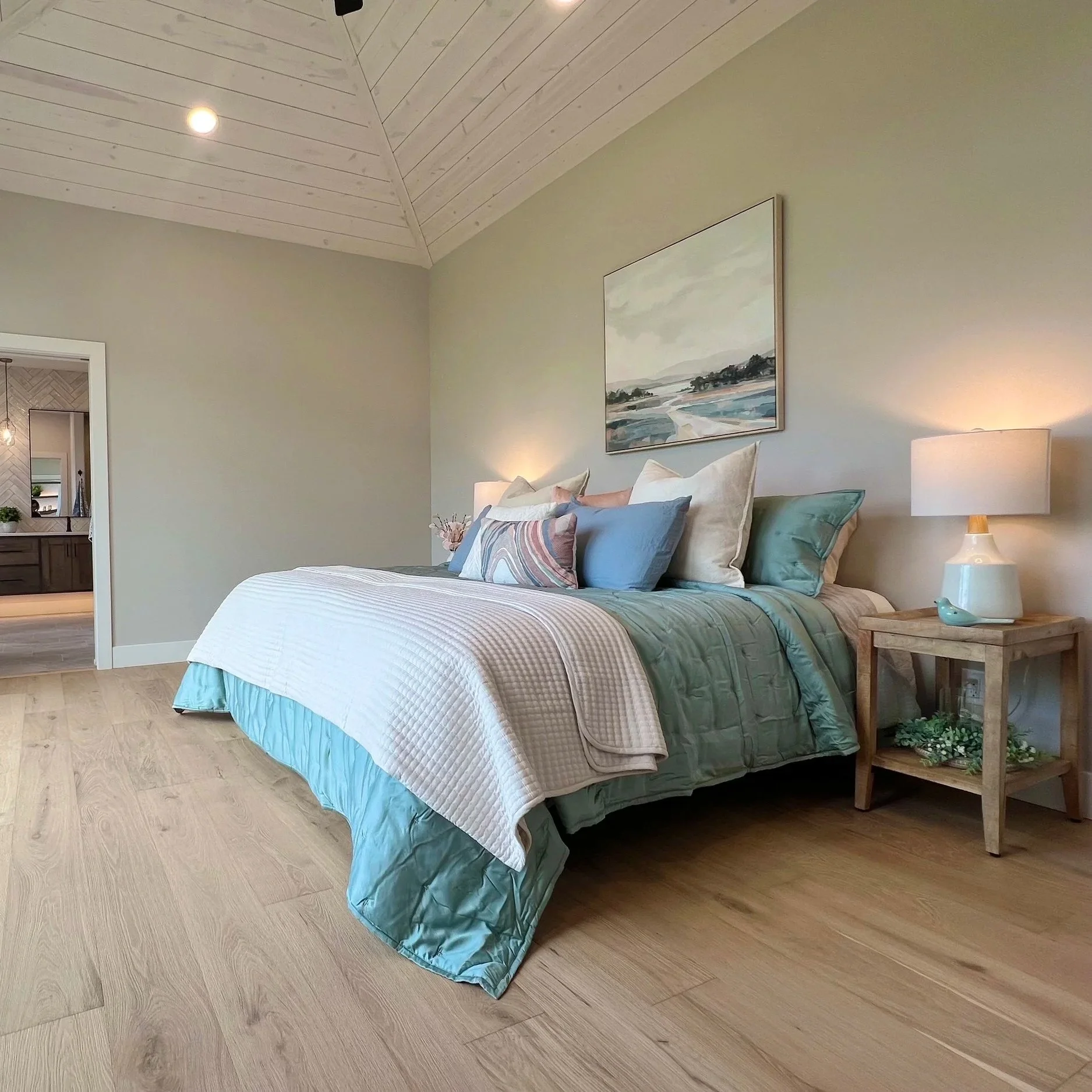
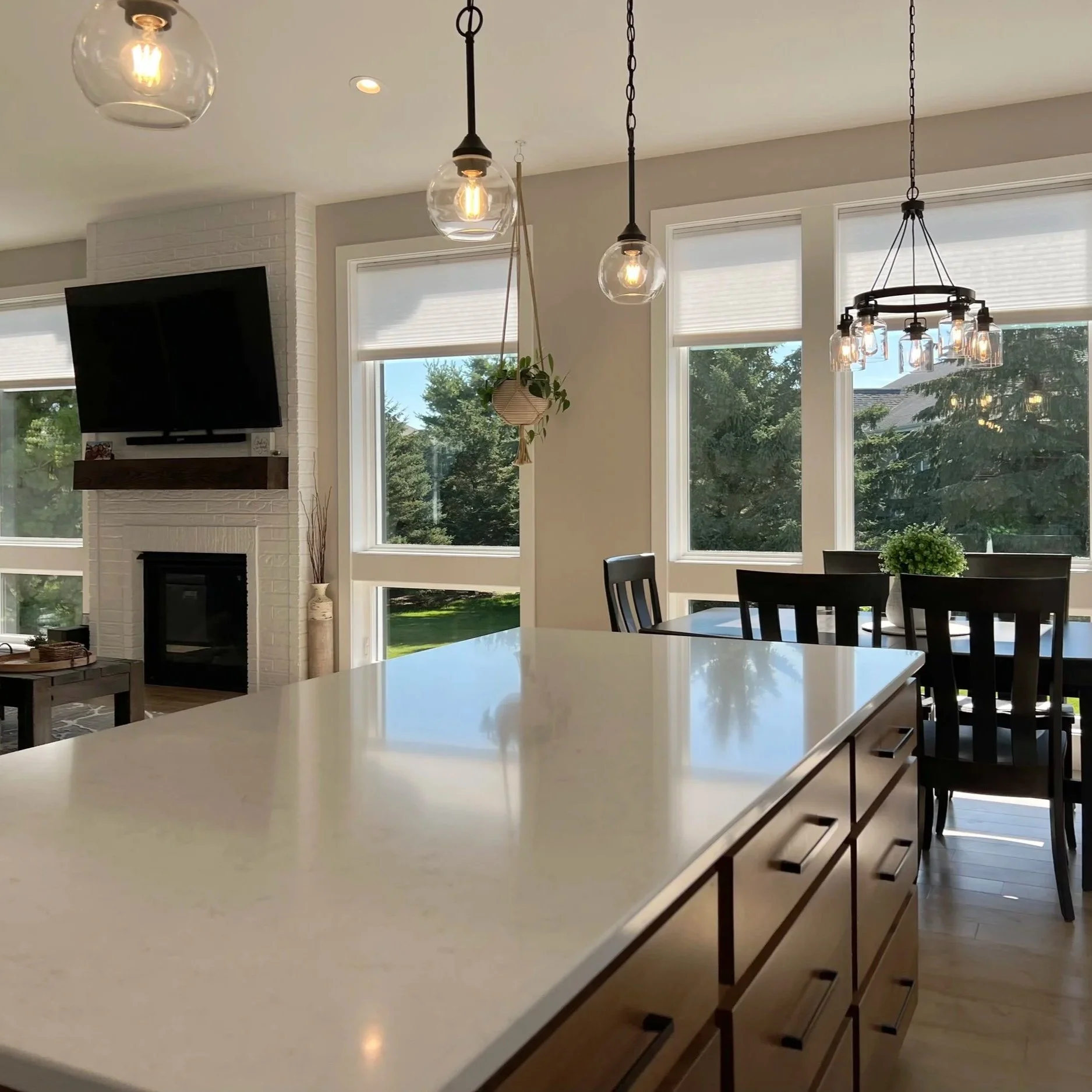
Below are some examples of rooms painted one of our very favorite paint colors from Hallman Lindsay: The color is named Sierra Snow, and it has an LRV of 69. Notice how differently the same color can read depending on the room, available natural light, and surrounding finishes.