
The Importance of Lighting
Have you ever been in a space that just feels uncomfortable, but you can’t put your finger on why? You walk into a living room and immediately tense up…the couch is nice, the rug is soft, but something feels… off. Why do some spaces feel icky to be in, even when they technically have the amenities and features everyone wants? The answer is deceptively simple: the lighting is wrong. Without the soft, layered ambiance that lower-hung fixtures and lamps bring to a space, it can feel flat and uninspired. That’s the subtle power of lighting, and the way a space makes you feel matters more than anything.
A customer once called light fixtures “the jewelry of her home,” and we couldn’t agree more. Lighting adds character, personality, and, most importantly, warmth. Relying entirely on overhead ceiling lights is a missed opportunity for coziness and atmosphere. Spaces lit that way tend to give off “high school gym vibes.” Harsh overhead lighting emphasizes every crease and crinkle in a person’s face, and it makes a room feel flat and uninspired.
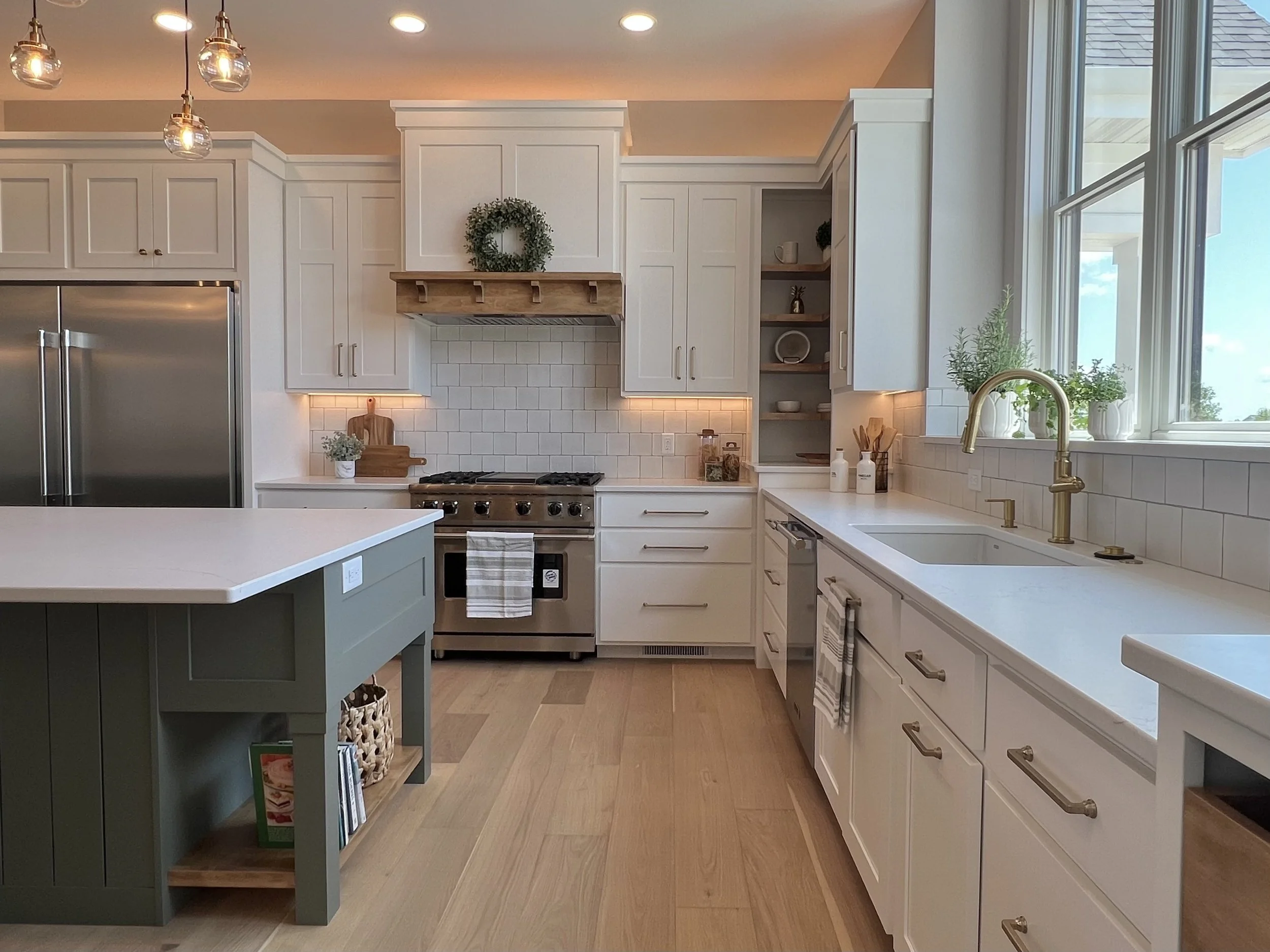
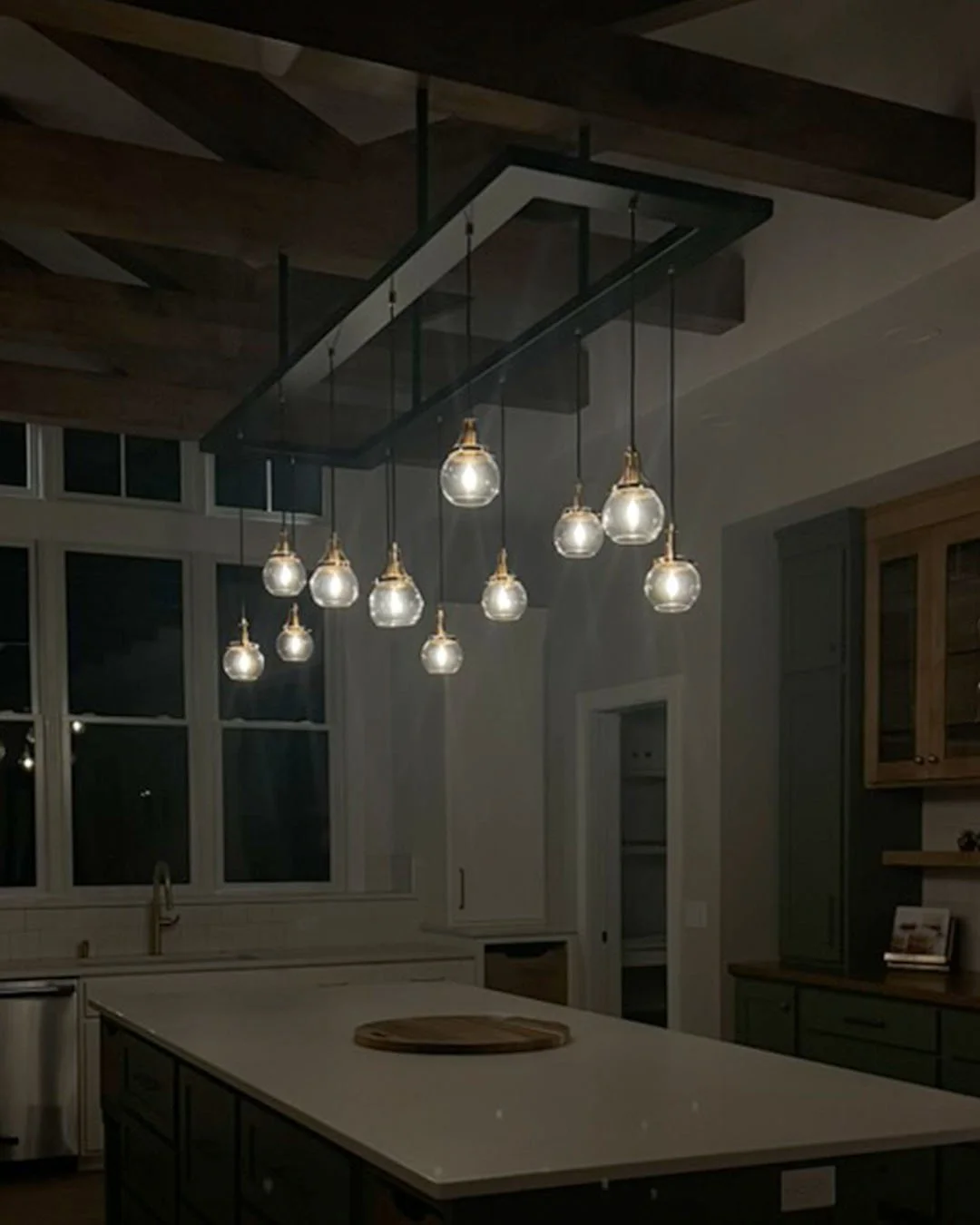
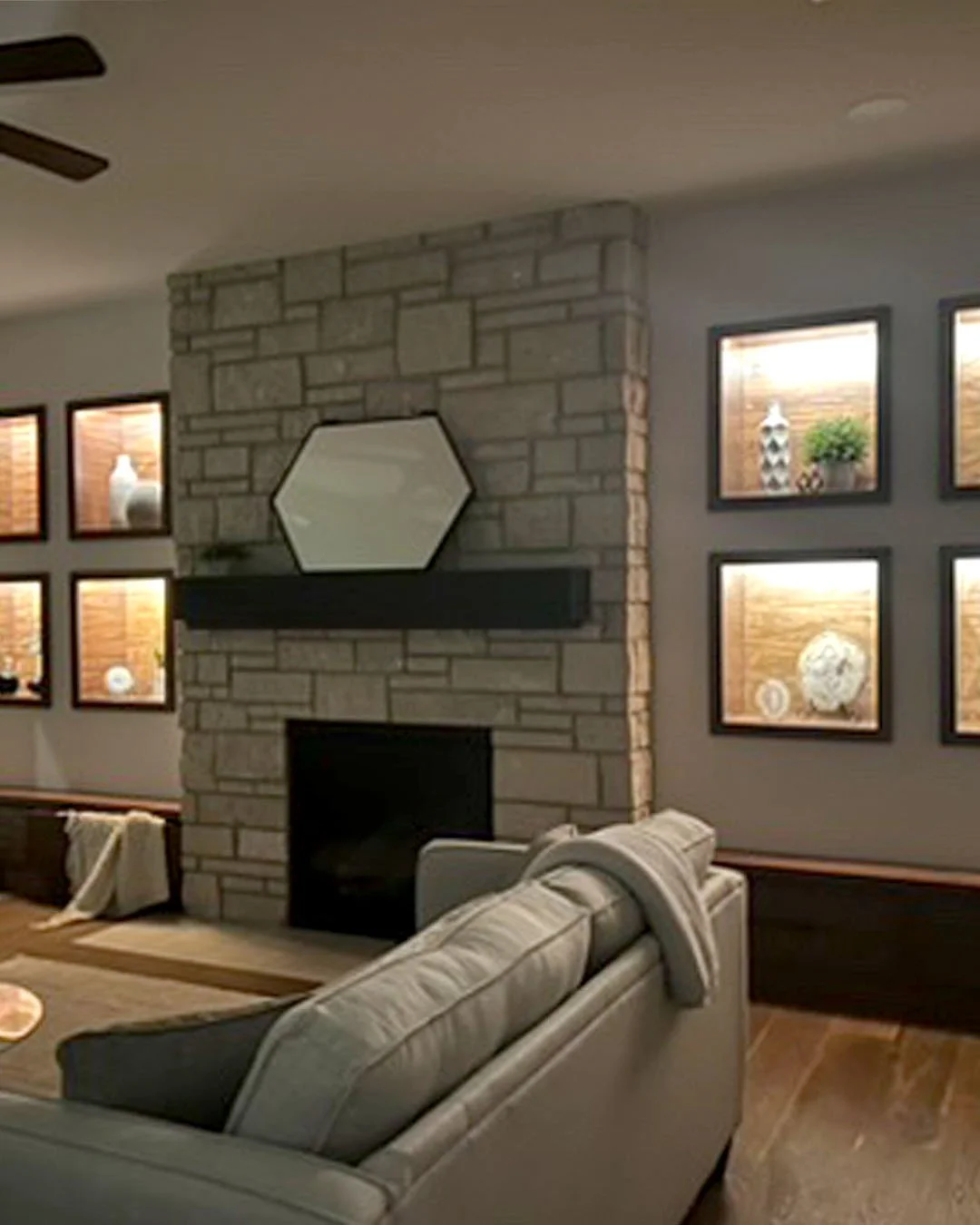
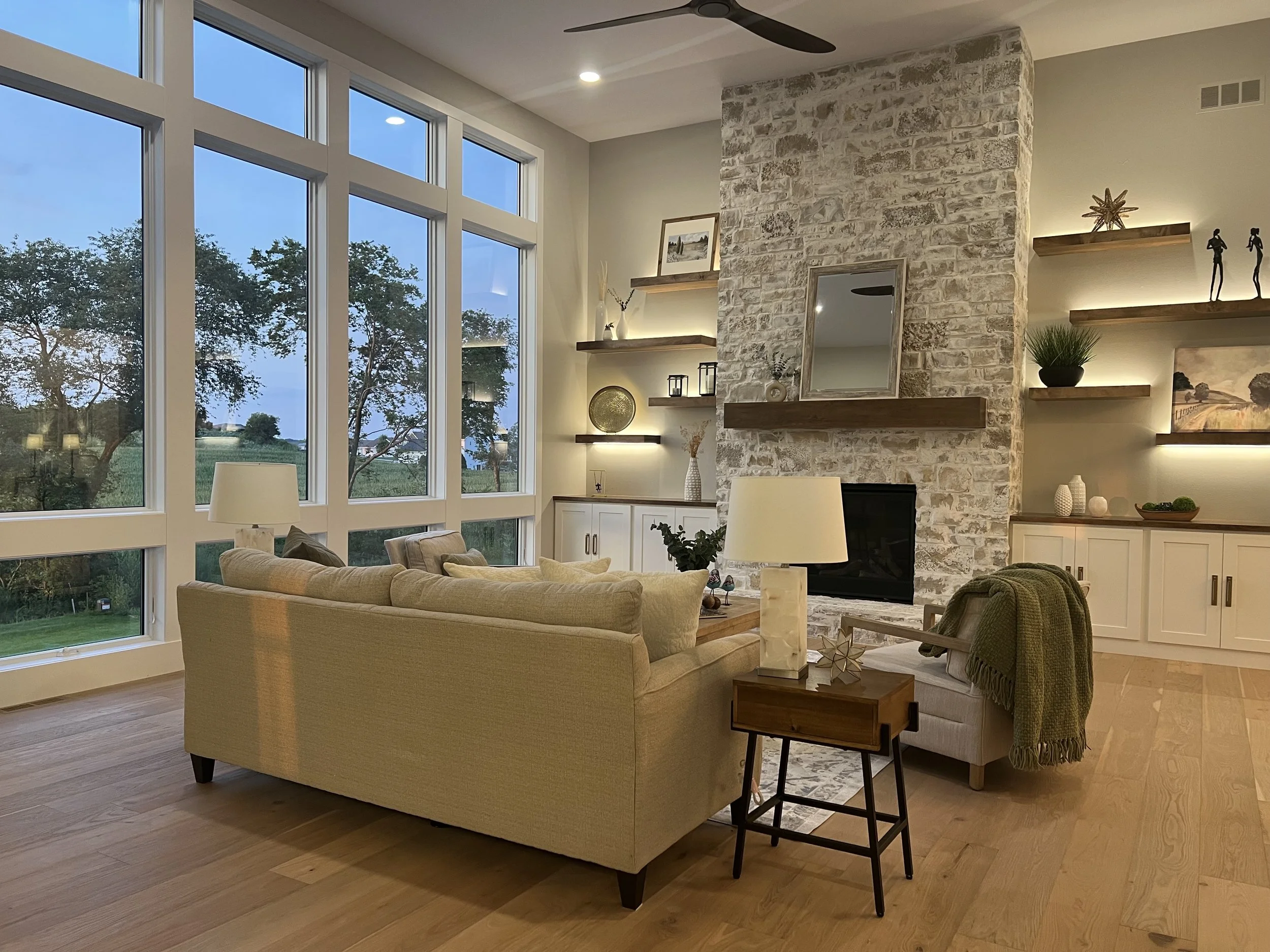
You may have noticed the custom lit niches, tray ceilings, and under/over cabinet lighting in Marten Building & Design homes. These layers create beautiful, soft “night-time beauty lighting” that people really appreciate. The lighting in my home is one of my favorite parts - it’s fantastic, and it makes me very happy. The soft glow from the varied heights of the dimmable lights above my kitchen island is better than a photographer’s ring light. And that is why, when I catch a glimpse of myself in a Target mirror, under the harsh fluorescent overheads highlighting my wrinkled scowl - I think, for one alarming moment, Who is that angry-looking woman?! And then I realize: Oh. It’s me. In bad lighting!
One of the most important things you can do for your home’s lighting is to make sure all your bulbs are the same warmth. Mixed color temperatures will make a room feel chaotic, even if everything else is beautiful. Aim for warm bulbs - around 2700K to 3000K, and keep that consistent throughout the space. Switching between warm lamp light and cool overheads is jarring, and not in a good way. Another easy upgrade is simply adding more light sources. A room feels so much more inviting when the light comes from different places and different heights. Think about having something overhead, something at eye level, and something lower - like a floor lamp or under-cabinet strip. You don’t need six lamps in every room, but you do want variety, so the lighting feels soft and dimensional instead of harsh and flat.
Dimmers are your friend. Truly. A dimmer can make the exact same room go from “sterile” to “romantic dinner” in half a second. Several strategically placed dimmers can make a world of difference. They cost $50 each, but will make your house feel like a home. Fabric shades are another simple win. They soften the light instantly and make everything feel cozier. If a room feels cold or too crisp, a couple of lamps - or even a dining room fixture with a fabric shade can fix that faster than new furniture ever could.
One of the easiest traps people fall into is treating the overhead light as the “main” light instead of the “backup” light. It’s great for cleaning or searching for a missing earring, but it shouldn’t be the everyday mood-setter. Another common issue is scale: a gorgeous fixture that’s too small for the room will always look just a little underwhelming. Lamps stuck only in corners can also create dark, gloomy pockets instead of that soft, consistent glow you want. And finally, hanging fixtures too high (especially pendants) can make everything feel stark and disconnected. These are small details but avoiding them makes a huge difference in how comfortable and intentional a room feels.
When a house feels like a home the moment you walk in, that’s not luck… that’s design. Great design means making intentional choices that balance beauty, function, and daily life. Lighting is a huge part of that harmony. When you get it right, everything else feels right too.