How Should Your Home Feel?
A well-designed home starts with understanding how you actually live, and finding the right balance between function and beauty. Function should always come first. A home has to support your daily routines, storage needs, and movement through the space. If it doesn’t work for real life, no amount of aesthetics will make it feel right.
For many people, that feeling isn’t immediately obvious. It shows up in small frustrations - spaces that feel cluttered, rooms that never get used, or layouts that look good on paper but feel awkward in daily life. Paying attention to those moments can be more useful than scrolling for inspiration. The goal isn’t to copy someone else’s home, but to understand what supports your own routines and habits.
But good design isn’t just about efficiency. A home should also make you feel something. Calm, comfort, energy, or connection - whatever feeling “at home” means to you. The goal isn’t a showpiece, it’s alignment. Designing a home that looks impressive, but doesn’t suit how someone lives is a quiet kind of negligence. It prioritizes spectacle over honesty. We believe good design starts with listening, not trends.
That’s why decisions about layout, storage, sight lines, views, ceiling height, budget, and overall vibe need to be considered together - and early in the design process. Planning well from the beginning is far easier than trying to fix things once a home is already built.
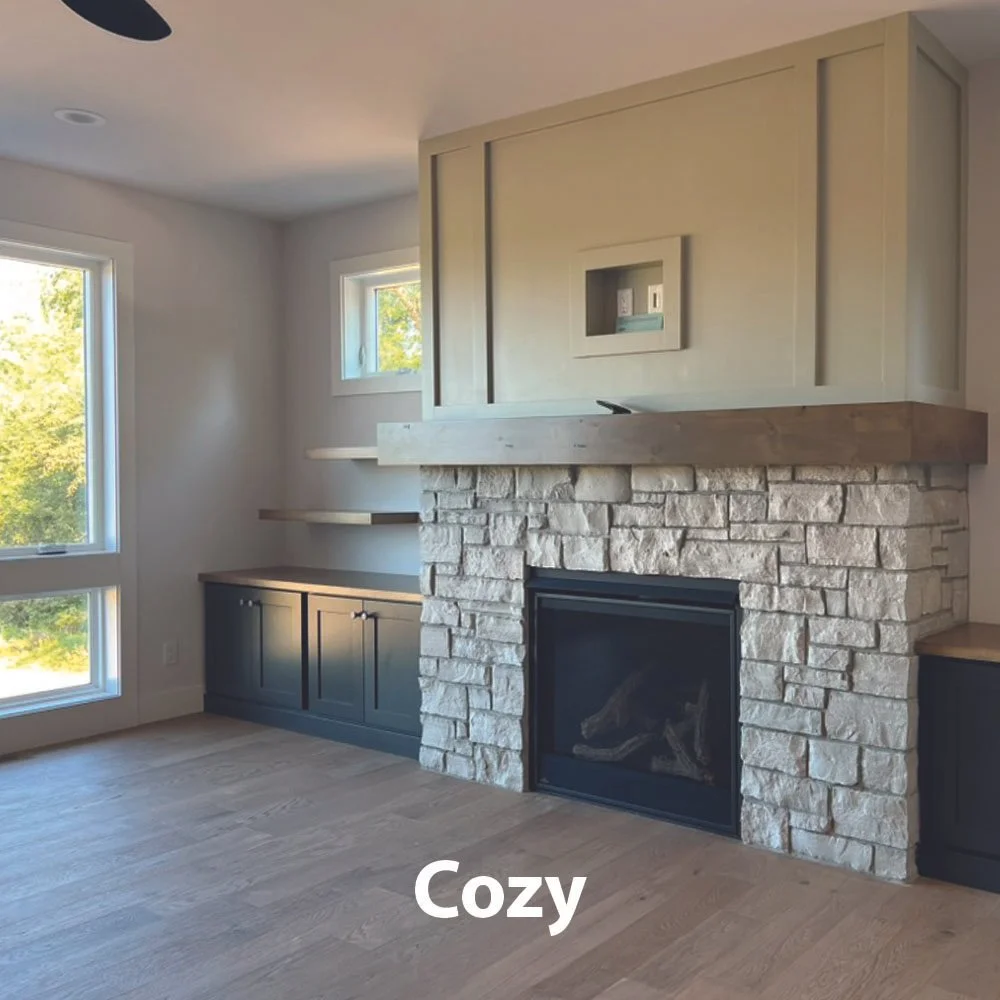
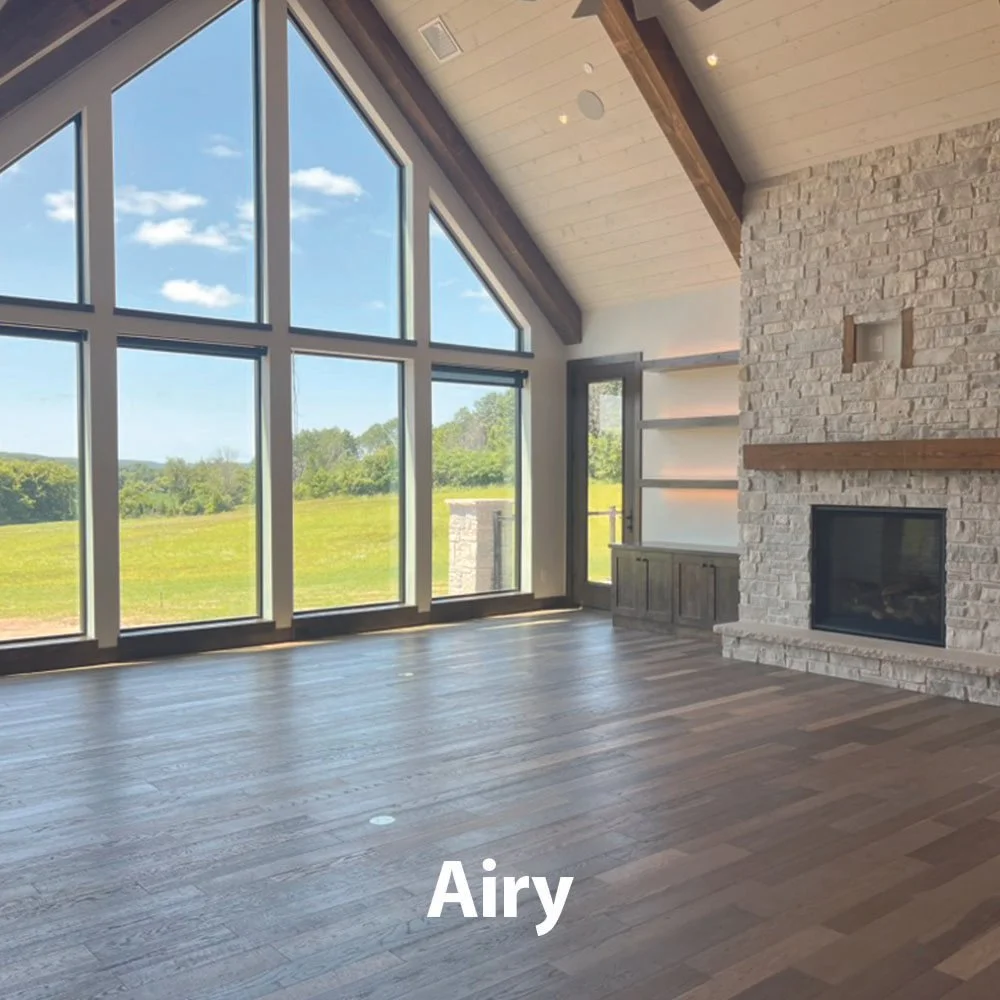
Features like long sight lines and taller ceilings can make a home feel open and expansive, but they aren’t right for everyone. Some people prefer defined spaces, lower ceilings, and cozy corners - and that’s just as valid. Thoughtful details like varied ceiling heights, cased openings, and French doors can shape spaces that feel both functional and intentional. These choices help define how a home feels to move through, not just how it looks.
When a home is designed around how someone actually lives, it doesn’t need to explain itself. It feels intuitive. Rooms get used. Storage works quietly in the background. And over time, the house becomes less about design decisions and more about the life happening inside it. When function and feeling are aligned, a house stops trying to impress and starts supporting the people who live there. That’s the difference between a home that simply looks good, and one that looks good and feels “just right”.